The Nature of Casino Games
When discussing the possibility of beating the odds in a casino, it’s essential to understand the nature of the games themselves. Casino games, from slot machines to card games, are designed with a house edge, ensuring that the casino ultimately profits over the long run. This edge varies depending on the game; for instance, table games like blackjack often have a lower house edge compared to slots. Players who prefer swift transactions can benefit from options like online casino fast withdrawal , which can enhance their overall gaming experience. This fundamental structure means players are consistently fighting against built-in advantages that favor the casino.
Each game operates on different principles, and their outcomes can range from skill-based to purely luck-based. For example, poker involves a significant degree of skill and strategy, allowing skilled players to gain an advantage over their opponents. On the other hand, games like roulette rely solely on chance, making it impossible to predict outcomes or influence results strategically. Understanding these dynamics is crucial for anyone wanting to approach a casino with the mindset of overcoming the inherent odds.
Moreover, while some players might find temporary success, long-term winning is much more challenging. Variance comes into play, which means players can experience significant swings in both directions. A player might enjoy a winning streak one night, but that does not influence their overall odds in subsequent visits. Overall, recognizing the house edge and the nature of each game is vital for players hoping to find an edge themselves.
Strategies for Maximizing Winning Potential
Despite the many challenges posed by the house edge, players can employ various strategies to maximize their winning potential. One popular approach is to focus on games with the lowest house edge, such as blackjack, baccarat, or video poker. These games not only require skill but also allow players to make decisions that can impact the outcome. For instance, learning basic strategy in blackjack can significantly reduce the house edge, increasing the chances of winning.
Additionally, players can take advantage of betting systems, which involve adjusting bet sizes based on wins and losses. Popular systems like the Martingale or Fibonacci can help players manage their bankrolls more effectively. However, it’s important to remember that no betting system can change the odds; rather, they serve as tools for managing risk and possibly extending gameplay. Understanding when to use these systems is crucial for maintaining control over one’s gambling experience.
Time management is another critical factor in maximizing potential winnings. Setting strict limits on time and money can help prevent the pitfalls of chasing losses. By establishing clear boundaries, players can enjoy the gaming experience without succumbing to the emotional rollercoaster that often accompanies gambling. In essence, while no method guarantees consistent wins, employing sound strategies can enhance a player’s enjoyment and increase their chances of a successful outcome.
The Role of Luck and Variance
In the world of casinos, luck plays an undeniable role in whether a player walks away a winner or a loser. While some games allow a degree of skill and strategy, such as poker and blackjack, others rely almost entirely on chance. This intrinsic element of luck introduces variance, meaning players can experience wildly fluctuating results over short periods. A run of bad luck can wipe out winnings, while a lucky streak can elevate an ordinary session into a memorable one.
Understanding variance is essential to managing expectations. In the short term, players can certainly win large sums, but this is not a sustainable strategy for long-term success. For example, a player might hit a jackpot on a slot machine or win a significant hand in poker, but those occurrences are often isolated incidents. Over time, the odds will catch up, and players will see their losses aligning more closely with the house edge.
Ultimately, successful gambling is about striking a balance between skill, strategy, and an acceptance of the role of luck. Players who can embrace the unpredictable nature of gambling may find themselves enjoying the experience more. Recognizing that even the best strategies cannot eliminate luck from the equation is key to a realistic and enjoyable approach to casino gaming.
Psychological Factors in Gambling
The psychological aspects of gambling significantly influence a player’s behavior and decisions within a casino. Many players fall victim to cognitive biases, such as the illusion of control, where they believe they can influence outcomes despite the inherent randomness of the games. This belief can lead to overconfidence and poor decision-making, ultimately resulting in substantial losses. Recognizing these biases is essential for maintaining a rational approach to gambling.
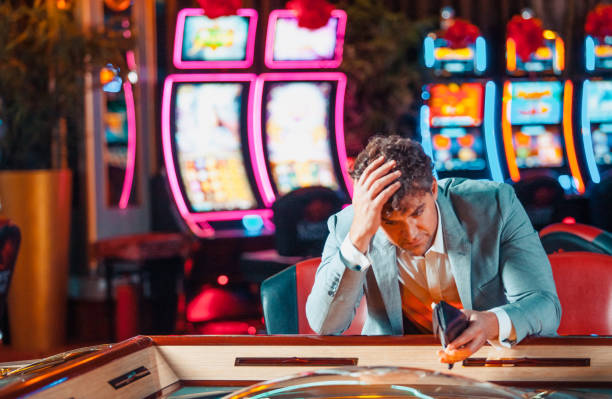
Another crucial psychological factor is the emotional rollercoaster that gambling often entails. The highs of winning can create a euphoric feeling, while the lows of losing can lead to frustration and desperation. These emotions can cloud judgment and lead players to chase losses, which often exacerbates their situation. Implementing strategies such as setting loss limits and taking breaks can help mitigate these emotional extremes, allowing players to maintain a clearer perspective.
Moreover, the social environment of a casino can influence behavior. The ambiance, the presence of other players, and the thrill of the moment can lead to impulsive betting decisions. Players may feel pressured to keep playing or to increase their bets due to the excitement surrounding them. Understanding how social dynamics can affect personal decision-making is essential for anyone looking to engage in responsible gambling.
The Importance of Responsible Gambling
As enticing as the prospect of beating the odds in a casino may be, responsible gambling must always take precedence. It is crucial for players to recognize their limits and engage in gambling as a form of entertainment rather than a means to make money. Setting strict budget limits and adhering to them is key to enjoying the experience without experiencing negative consequences. This approach can help prevent the development of gambling-related problems.
Many casinos recognize the importance of responsible gambling and provide resources to help players maintain control. Offering self-exclusion programs, information on gambling addiction, and staff training to identify problem gambling behaviors are just a few measures taken to ensure player welfare. Engaging with these resources can empower players to enjoy their gaming experience without compromising their financial or emotional well-being.
Ultimately, responsible gambling enhances the gaming experience. By prioritizing enjoyment over profit, players can engage in casino games without the stress of chasing losses or the thrill of winning overwhelming their judgment. A balanced approach allows for a more enjoyable experience, fostering a healthier relationship with gambling.
