The allure of the casino environment
The casino environment is meticulously crafted to attract and engage players, creating a captivating atmosphere that stimulates excitement and anticipation. With bright lights, vibrant sounds, and the presence of other players sharing in the thrill, the sensory experience can be overwhelming. This ambiance is intentionally designed to evoke strong emotional responses, heightening the desire to participate in games of chance, such as the payid casino online options available today. The psychology behind this design not only makes players feel exhilarated but also elevates dopamine levels, enhancing their overall enjoyment of the experience.
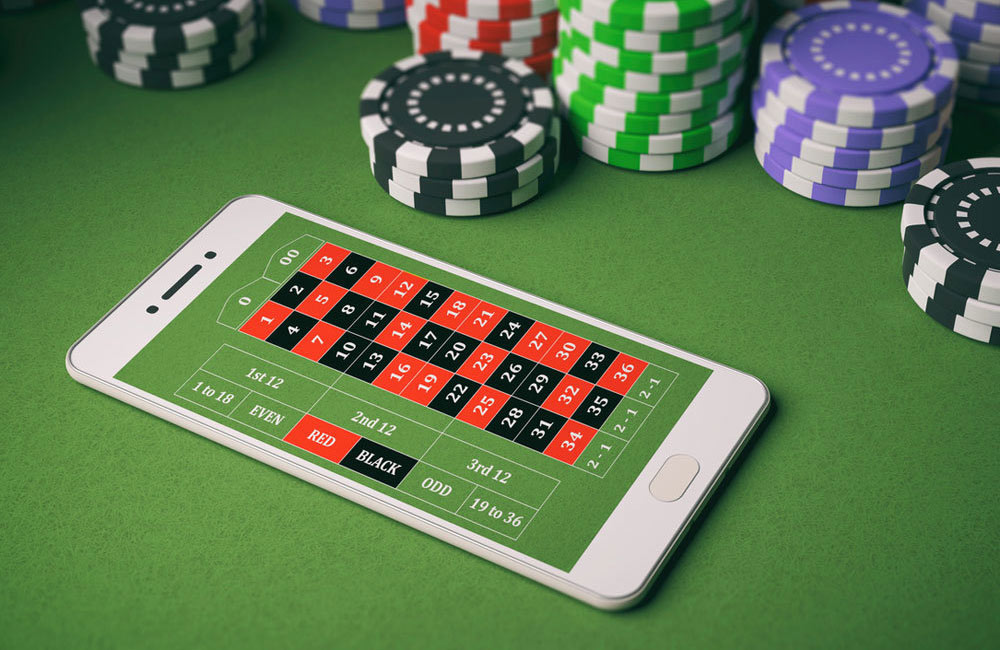
Another significant aspect of the casino’s allure is its role as a form of escapism. Many individuals visit casinos to break away from their daily routines and stressors, seeking a temporary diversion from reality. The thrill of gambling offers a unique opportunity to immerse oneself in a world filled with possibilities. This psychological element, combined with the elegance and glamour that casinos exude, creates a powerful pull that keeps players coming back for more in search of their next exciting experience.
Interestingly, the social dynamics within a casino further enhance its appeal. Players often relish the camaraderie that comes from shared experiences, whether it’s celebrating a win with friends or meeting new people at the tables. This social interaction can amplify the excitement of playing, as shared victories and losses forge emotional bonds and memorable moments. The combination of sensory stimulation and social engagement plays a crucial role in understanding the psychology of casino players and their motivations to return again and again.
The psychology of risk and reward
At the core of gambling lies the intricate relationship between risk and reward. Casino players are frequently drawn to the excitement of potentially winning significant amounts of money, which can overshadow the inherent risks involved. This phenomenon relates closely to the psychology of reward anticipation, where the allure of a substantial payout encourages players to overlook unfavorable odds. Cognitive biases, such as the illusion of control, can distort perceptions, leading players to believe they have more influence over outcomes than reality suggests.
The thrill of placing a bet and waiting for the outcome triggers a powerful emotional response. This rush of adrenaline can lead to heightened arousal, creating a feedback loop that promotes continued gambling behavior. Players may become addicted to this cycle, perpetually chasing the high associated with winning, even in the face of repeated losses. Consequently, the psychology of risk and reward significantly shapes a player’s gambling behavior, often compelling them to make impulsive decisions that sidestep rational thinking.
Moreover, the psychological rewards of gambling extend beyond mere financial gains. Winning can enhance self-esteem and provide a sense of validation, especially in contexts where players can share their victories with others. Conversely, losses can induce feelings of frustration and regret, prompting players to pursue redemption through further betting. This intricate interplay of emotional highs and lows underscores the profound psychological factors at work for casino players, highlighting the complex landscape of their gambling experiences.
Addiction and compulsive gambling
Delving into the psychology of gambling also necessitates acknowledging its darker facets—addiction and compulsive gambling. For some, the allure of the casino can spiral into a reliance on gambling as a means of coping with deeper issues such as anxiety, depression, or stress. The reinforcement of gambling behavior through intermittent wins or the thrill of play can establish a cycle of dependency that is challenging to escape. Consequently, it is vital to examine these psychological components when discussing the impact of casinos on players.
A significant factor in gambling addiction is the way individuals rationalize their behavior. Many convince themselves that they can recoup their losses or that they are due for a big win after a streak of bad luck. This cognitive distortion can cloud their judgment, leading them to continue gambling despite negative consequences. Understanding these thought processes can shed light on the psychological struggles faced by compulsive gamblers, often causing them to deny their addiction until it becomes overwhelmingly problematic.
Furthermore, the role of casinos in this dynamic cannot be overlooked. By providing an environment that encourages this behavior, casinos may inadvertently support the cyclical nature of addiction. With easy access to games and the potential for quick wins, players can find themselves drawn into a deeper level of engagement. Approaching the topic of gambling addiction requires compassion and understanding, as the allure of the casino often stems from complex psychological factors that extend far beyond mere entertainment.
The impact of marketing and promotions
Casino marketing strategies significantly influence players’ perceptions and motivations to gamble. Many casinos employ psychological tactics to create an irresistible allure, including bonuses, promotional events, and loyalty programs. These promotions are designed to enhance the overall gaming experience, making players feel valued and incentivizing them to return. Such marketing techniques leverage psychological principles like scarcity and social proof, effectively increasing players’ engagement and loyalty toward the casino.
Additionally, targeted advertising can sway potential players by appealing to their emotions and desires. Campaigns that feature success stories of big winners can evoke feelings of aspiration and excitement, making the prospect of gambling more enticing. Casinos often utilize imagery and narratives in their marketing that emphasize the glamour and thrill of the gambling experience, reinforcing its appeal. These strategies can effectively capture the attention of prospective players, encouraging them to explore what the casino has to offer.
However, it is crucial to consider the ethical implications of these marketing practices, especially concerning vulnerable individuals. The promotion of gambling can inadvertently contribute to increased problematic behavior, as it normalizes and encourages engagement with potentially harmful activities. Therefore, it is essential for both players and industry stakeholders to remain vigilant regarding these marketing strategies and consider their effects on the psychology of casino players. By understanding the impact of promotions, stakeholders can work towards mitigating the risks of compulsive gambling and promoting a more responsible approach to gaming.
Understanding the psychology for responsible gambling
As we unravel the complexities of casino player psychology, the importance of responsible gambling practices becomes evident. Gaining insight into the mental and emotional factors that drive gambling behavior empowers players to make informed decisions regarding their gambling habits. By recognizing the signs of addiction and compulsive behavior, individuals can take proactive steps to maintain control and minimize the potential for adverse consequences. Education about the psychological aspects of gambling can foster a healthier approach to leisure activities within the casino environment.
Moreover, casinos themselves play a pivotal role in promoting responsible gambling. By implementing measures such as self-exclusion programs and providing resources for individuals struggling with gambling addiction, casinos can create a safer atmosphere for players. Encouraging open discussions about gambling behavior and its psychological implications can help reduce stigma and facilitate support for those in need. In doing so, the industry can contribute to a more sustainable and responsible gambling culture.
Ultimately, understanding the diverse psychological factors influencing casino players is crucial for fostering a balanced perspective on gambling. By addressing the allure, risk, addiction, marketing influence, and responsible gambling practices, stakeholders can collaborate to enhance players’ experiences while minimizing potential harm. Knowledge and awareness can promote healthier relationships with gambling, cultivating a culture of responsibility and support that benefits both players and the industry.